Question What's Real™ · Est. 2017 · Pune, India
India's architecture for head-worn computing.
India's only end-to-end ODM for head-worn computing.
We design, engineer, certify, and manufacture VR headsets, AR glasses, and AI wearables, optics to firmware, in-house. 100% domestic IP. Backdoor-free firmware. One accountable vendor, from reference design to mass production.
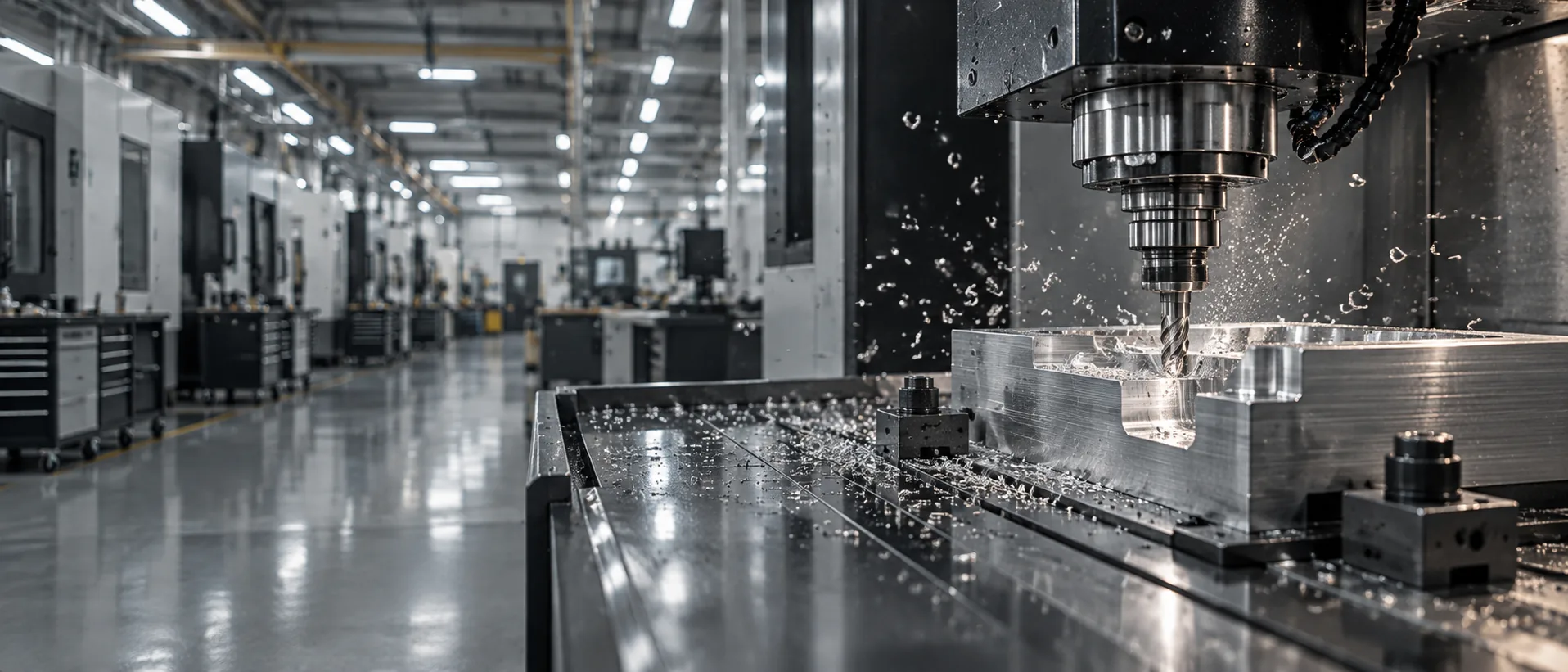
01 · ODM / OEM Engineering
End-to-end ODM & OEM engineering.
We're the hardware backbone behind global and domestic brands, a credible China-plus-one for head-worn computing. Turnkey ODM on frozen reference designs gets you to market in 3–6 months. Full OEM builds smart glasses, AR glasses, and VR headsets to your exact spec. You own the shell, the materials, the brand. We hold the line on optics, thermal, certification, and sensor integrity. Built with Tier-1 partners Kaynes Technology and Syrma SGS. BIS certified, WPC approved, AVGC-XR policy aligned.
Explore ODM Overview →Optics · Thermal · Certification · EVT → DVT → PVT
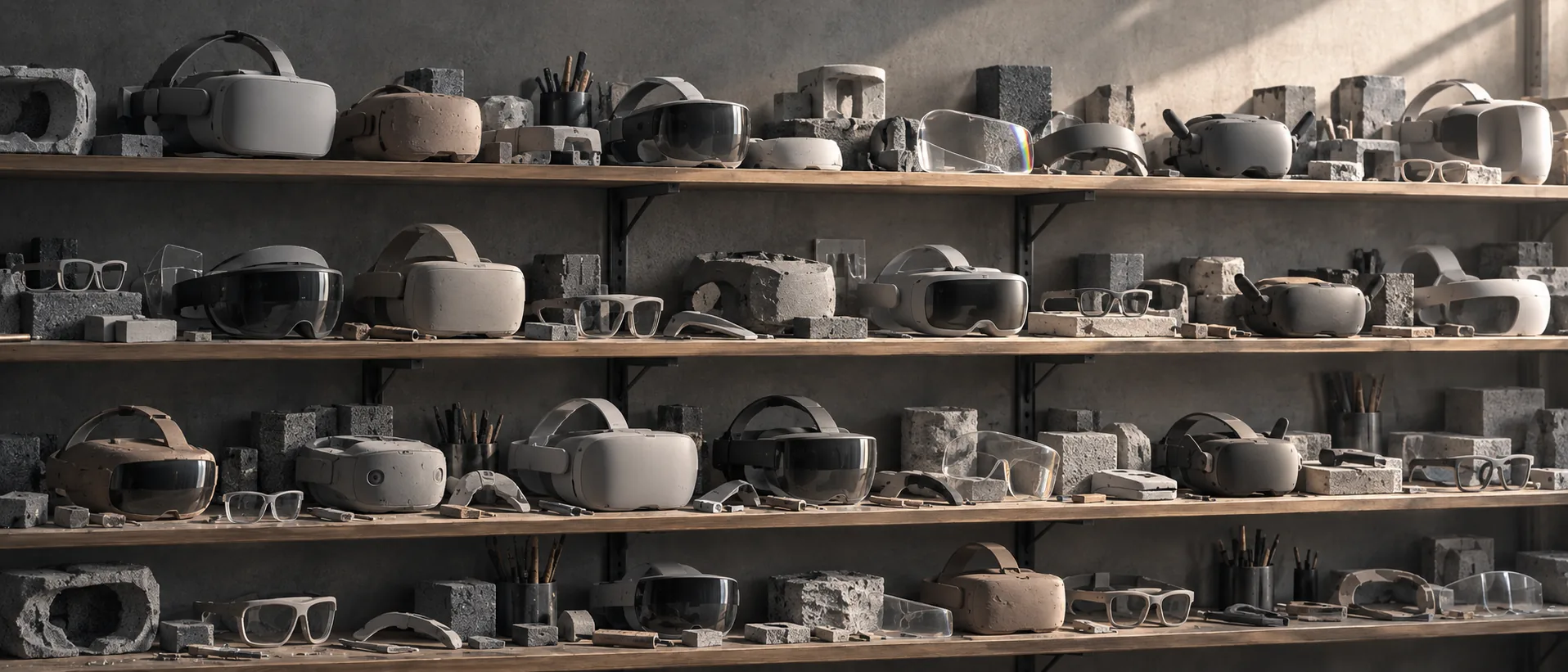
02 · Product Platforms
8 reference architectures.
QWR platforms are the starting point for your specific vertical, offering deep customization across SoC, optics, and industrial design.
03 · Industry Solutions
India's critical verticals.
QWR hardware platforms solve the hardest challenges across India's professional verticals, sovereign, certified, production-ready at scale.
04 · HUMBL AI Platform


think out loud.
Something's already on your mind. Say it. HUMBL is voice-native by design, no text box, no prompts, no keyboard. Distinct modes of thinking, compounding memory, and Indian data sovereignty under the DPDP Act 2023. License it onto your own hardware, or ship it on ours.
05 · Defence & Security
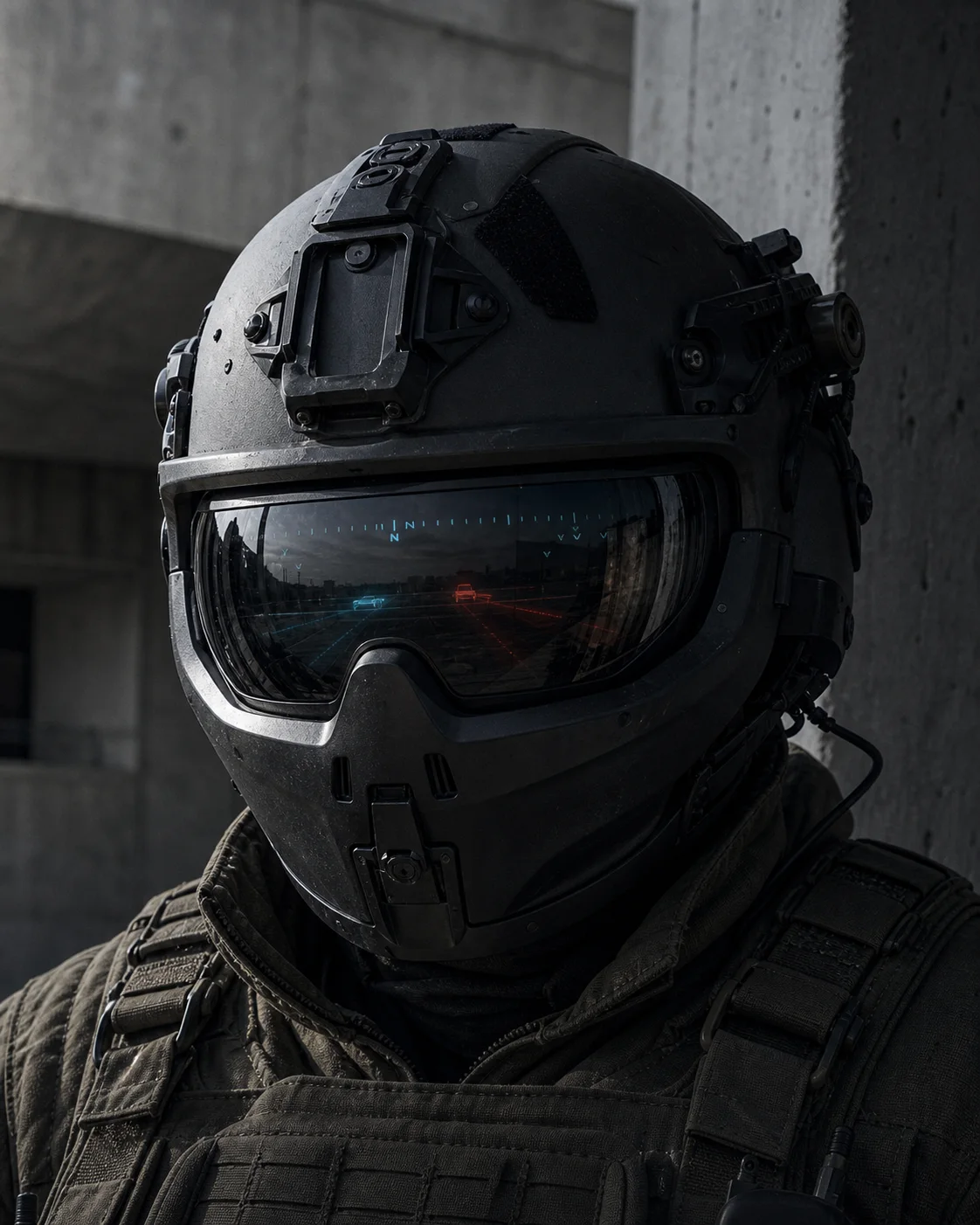
Sovereign XR for the Indian Armed Forces.
Head-worn computing for defence, designed, engineered, and built in India. VR combat simulation, tactical AR, soldier-borne HUD. A sovereign supply chain with no foreign dependencies and 100% Indian-origin IP. Make in India Class 1. MIL-STD-810H and JSS 55555 pre-compliance. DAP (IDDM) eligible.
Explore Defence Systems →06 · Insights
What buyers ask before they specify.
Technical briefings for procurement officers and engineering leads, written from QWR's own platforms and published specs.
Procurement · Strategy
What a Brand Actually Controls in a Co-Brand Deal vs. an ODM Deal.
A white-label deal lets you change the surface. It typically does not let you change the tracking architecture, the firmware branch, data residency, or the SKU obsolescence date.
Read paper →Procurement · Strategy
What a Procurement Officer Actually Reads Before the Spec Sheet.
The specification sheet isn't where the decision gets made. Board authority, existing vendor relationships, and risk allocation decide who even makes it to evaluation.
Read paper →Engineering · Procurement
What a Three-Year Support Contract Costs When You Don't Control Firmware.
Managing enterprise VR fleet firmware updates creates hidden support costs most resellers underestimate, labour that never shows up in the line item called firmware support.
Read paper →Procurement & Strategy
QXR-06-10 vs Meta Quest 3: Enterprise VR Headset Comparison.
A spec-for-spec comparison for institutional buyers: where the two headsets actually overlap, and why hardware customization, single-vendor accountability, and MDM readiness matter more than the spec sheet.
Read paper →Engineering
Choosing Between QAI-06 and QAR-06. Matching Smart-Glasses Hardware to the Use Case.
Same voice-native AI, two different hardware tiers. QAI-06 (audio and vision, no display) and QAR-06 (binocular waveguide display) solve different problems: the dividing line is whether the task needs to be seen or just heard.
Read paper →Procurement · Strategy
Deploying an Enterprise XR Fleet? Ask These Physical Loss and Recovery Questions First.
A lost or stolen headset is a data question before it's a hardware question: the loss, theft, and device-recovery questions to put to any XR hardware partner before you scale past a pilot.
Read paper →07 · FAQ
Frequently asked questions.
Why choose Made-in-India XR hardware?
Domestic manufacturing means supply-chain stability, backdoor-free firmware, and full compliance with the DPDP Act 2023 and DAP defence guidelines. As a Make in India Class 1 manufacturer, our devices qualify for government procurement under Buy Indian categories.
Can QWR hardware be white-labeled for our brand?
Yes, full co-branding and white-labeling, including custom CMF and software integration across every reference architecture. Three engagement models, ODM, OEM, and Co-Brand, take you to market in 3 to 11 months.
Does the hardware support existing enterprise MDM?
Yes. Devices run on a clean AOSP foundation, so you can manage your entire deployed fleet remotely through tools like Microsoft Intune, remote lock, wipe, and app deployment.
Does QWR design its own optics and waveguides?
Yes. We engineer custom diffractive, holographic, and geometric waveguides in-house, paired with multiple light-engine options, the optical core most ODMs outsource. For enterprise AR glasses, that means we tune the display stack to your use case instead of fitting your product around an off-the-shelf module.
How does an ODM engagement with QWR work?
You start from one of our validated reference designs and customize the shell, CMF, and software to your brand. We own optics, thermal, certification, and the full EVT → DVT → PVT path to mass production. Because the platform is already certified, frozen reference designs reach market in 3–6 months; fully bespoke OEM builds run longer. One vendor owns the entire path, no stitching a supply chain together.
Ready to start a conversation?
Engineering, ODM, defence, or enterprise, we respond within 24 hours.
Let's build what's next.
ODM partnership. HUMBL licensing. Enterprise deployment. Defence programme. Tell us which, and we'll route you to the right team.