Industry Insights · Policy · Procurement
BIS Certification for XR Hardware. Navigating IS/IEC 62368-1:2023 in 2026.
By QWR Compliance & Regulatory Affairs
As of April 2026, the regulatory landscape for Extended Reality in India has reached a tipping point. With AR, VR, and Mixed Reality devices now under the Compulsory Registration Scheme, BIS certification is no longer a quality mark — it is a legal prerequisite for entering the Indian enterprise market.
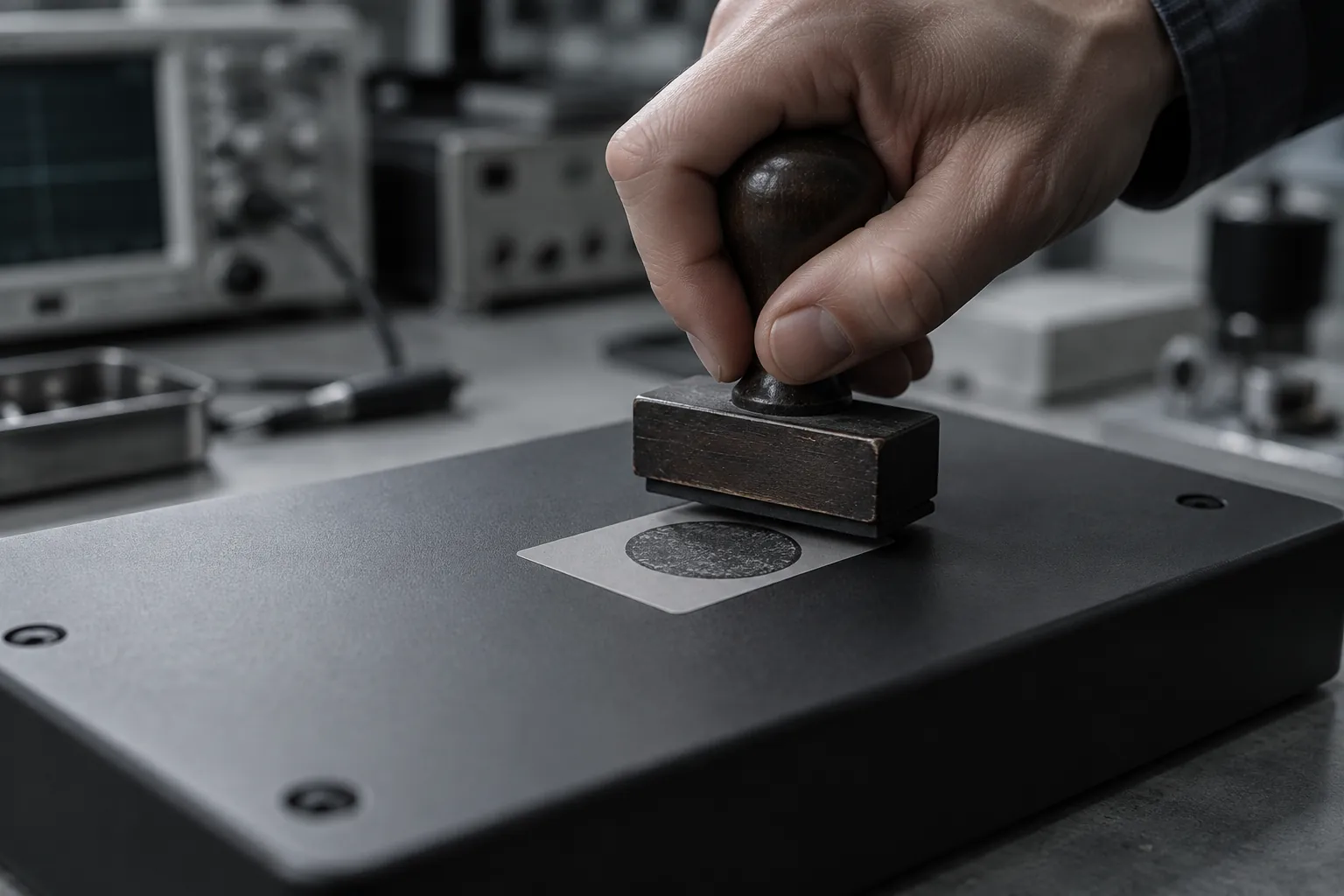
Why BIS Just Became a Procurement Filter
The Ministry of Electronics and Information Technology (MeitY) has officially transitioned AR, VR, and Mixed Reality devices into the Compulsory Registration Scheme (CRS). For procurement leads, BIS certification is no longer a "nice-to-have" mark of quality — it is a mandatory legal requirement for any hardware entering the Indian enterprise market. The window for ambiguity has closed.
"In 2026, BIS isn't a sticker on the box. It's the difference between a deployed fleet and a customs warehouse."
1. The New Standard: IS/IEC 62368-1:2023 Explained
India has transitioned away from the older safety standards (IS 13252 and IS 616) to the more modern, hazard-based IS/IEC 62368-1:2023. This standard is now the primary benchmark for enterprise XR hardware sold or deployed in the country.
- Hazard-based safety: Unlike older prescriptive standards, the 2023 version focuses on identifying potential energy sources — electrical, thermal, or kinetic — that could cause injury, and ensures the device has adequate safeguards engineered into it from first principles.
- The May 1st deadline: After 1 May 2026, the concurrent running of old and new standards ends. No XR licence will be operative unless compliance with the 2023 standard is established.
- The R-number requirement: Every compliant device must prominently display the BIS Standard Mark along with a unique Registration Number (R-number) for traceability across the supply chain.
2. Why BIS Matters for Your 2026 Procurement Strategy
For a procurement officer, the BIS mark is the ultimate filter for vendor reliability. Choosing a BIS-certified partner is the cleanest way to mitigate the three risks that derail XR deployments:
- Avoiding the "import trap": Importing non-certified hardware in 2026 is a high-stakes gamble. Customs authorities are strictly enforcing Quality Control Orders (QCOs), and shipments arriving without valid certification face indefinite hold or rejection at the port of entry.
- Rejected shipments: If smart glasses or VR headsets lack the BIS mark on arrival, the entire consignment can be seized or returned at the importer's expense — a direct loss against the procurement budget with no recourse.
- Insurance liabilities: Most corporate insurance policies in India will not cover workplace incidents involving non-BIS-certified electrical equipment. A non-compliant headset is an uninsured liability for as long as it stays on the floor.
3. Quality Assurance in Extreme Environments
Rugged XR hardware deployed in manufacturing or defence has to handle more than software bugs — it must withstand electrical surges and thermal stress safely under continuous use. The 2023 standard is engineered for exactly this profile.
- Thermal regulation: For devices like the QVR-06-04, certification validates that high-performance compute does not lead to unsafe heat levels during all-day industrial use. This matters most where the operator cannot pause to let the device cool down.
- Local advantage: Indian OEMs have integrated these compliance checks into their waveguide production lines, offering faster lead times than foreign manufacturers who must navigate complex factory audits via an Authorised Indian Representative (AIR). For procurement teams, that gap is measured in weeks, not days.
4. What This Means for Your RFP
If you are finalising your 2026 XR procurement RFPs, three lines now belong on every spec sheet, regardless of vendor:
- Mandatory BIS Standard Mark + R-number on the device, verifiable against the BIS portal at the time of bid evaluation.
- Declaration of compliance with IS/IEC 62368-1:2023 — not the legacy IS 13252 / IS 616 standards.
- Local authorised representative with documented after-sales obligations under the QCO regime, so warranty and recall liability stays inside India.
Strategic Conclusion: Compliance Is the New Competitive Edge
The cost of non-compliance now far outweighs the marginal investment in certified, high-performance hardware. As XR transitions from "innovation lab" line items to balance-sheet infrastructure, the procurement teams that internalise BIS as a first-pass filter will move faster and absorb less legal and operational risk than those who treat it as a back-office formality. The future of Indian industry is safe, standardised, and certified — and the deadline is no longer abstract.
FAQ
Frequently asked questions
What BIS standard applies to XR hardware in 2026?+
IS/IEC 62368-1:2023, a hazard-based safety standard that replaced the older IS 13252 and IS 616 standards. After May 1, 2026, no XR licence is operative unless compliance with the 2023 standard is established.
What happens if XR hardware is not BIS certified?+
Non-certified hardware faces indefinite hold or rejection at customs under Quality Control Orders, and most corporate insurance policies will not cover workplace incidents involving non-BIS-certified electrical equipment.
What should a 2026 XR procurement RFP require?+
A mandatory BIS Standard Mark with R-number verifiable on the BIS portal, a declaration of compliance with IS/IEC 62368-1:2023 specifically rather than the legacy standards, and a local authorised representative with documented after-sales obligations.
Request a Technical Briefing
Our team supports procurement officers and institutional buyers with BIS-certified, India-ready XR hardware and direct briefings on the IS/IEC 62368-1:2023 transition.